Health
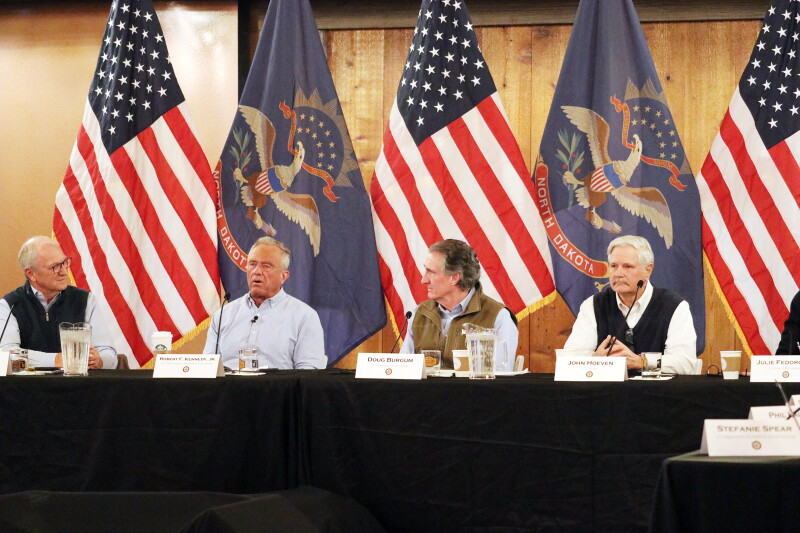
Robert F. Kennedy Jr. praises regenerative ag efforts at North Dakota event
By Ravi Patel
Advertisement · Why this ad?
David Ortiz brings a unique perspective as a former educator turned journalist, holding a degree from North Dakota State University. With three years of experience, he aims to foster dialogue on educational policies affecting local schools.
More from David →
On a quiet September evening in Grand Forks, a man’s life took a sudden and alarming turn. Ian Matthew Schneeweis, a 26-year-old local, allegedly drove his vehicle into two pedestrians at the 3900 block of South 16th Street, an incident that has left the community shaken and searching for answers. What makes this case even more complex is the recent delay in proceedings, as Schneeweis’s mental health is now under scrutiny, raising questions about justice, mental health, and community safety in our city.
On September 23rd, Schneeweis allegedly targeted pedestrians in a disturbing act that could have resulted in tragedy. According to court documents, he intentionally hit two individuals with his car and narrowly missed a third. Thankfully, no fatalities have been reported, but the injuries inflicted could have been much worse. Schneeweis was also found to have been under the influence of methamphetamine at the time, telling law enforcement that he heard voices on the radio urging him to run people over. These startling details underscore the seriousness of the charges he faces, which include attempted murder, criminal vehicular injury, and reckless endangerment, among others.
The incident has left neighbors and community members concerned about safety and the underlying issues that might lead someone to such an act. The community’s sense of security is vital, especially when mental health struggles intersect with criminal behavior. Schneeweis’s actions, coupled with his admission of drug use and auditory hallucinations, have prompted a closer look at his mental state, leading to the recent case delay.
Judge Ted Sandberg signed an order that paused Schneeweis’s case until he undergoes a comprehensive mental health evaluation at the North Dakota State Hospital. This step is crucial to determine whether Schneeweis is mentally fit to stand trial and fully understand the proceedings against him. His defense attorney, David Dusek, requested this evaluation on October 26th, and the state did not oppose it, signaling a consensus on the need to assess his mental health before moving forward.
This delay highlights the importance of mental health in the criminal justice process, especially in cases involving violent acts and substance abuse. It also raises questions about how mental health services are integrated into our community’s response to such incidents. As the evaluation unfolds, the community waits, hoping for clarity and justice, while also recognizing the complex needs of individuals like Schneeweis who may be battling unseen struggles.
The incident has sparked conversations across Grand Forks about safety, mental health, and the importance of support systems. Local residents are understandably concerned about the safety of pedestrians and the potential risks posed by individuals struggling with mental health issues and substance abuse. Community leaders and law enforcement are emphasizing the need for compassion and appropriate intervention, advocating for increased mental health resources and outreach programs.
Many in the community also reflect on the importance of strong families and faith-based support, which are often the first line of defense in preventing such tragedies. Stories of families who have overcome adversity through faith and commitment remind us that stability at home can be a powerful factor in preventing mental health crises. As Grand Forks continues to grow, fostering a community that prioritizes mental health and family strength remains vital to ensuring incidents like this are minimized in the future.
As Schneeweis’s case remains on hold, the community’s focus shifts to healing and prevention. The mental health evaluation will provide critical insights into his state of mind and influence how the legal process proceeds. Meanwhile, local organizations are advocating for more accessible mental health services, recognizing that early intervention can save lives and prevent tragedies.
For families and individuals in Grand Forks, this incident serves as a reminder of the importance of authentic faith, strong marriages, and community commitment. These values form the foundation of a resilient society capable of supporting those in crisis and holding accountable those who threaten public safety. The hope is that through compassion, justice, and proactive support, our city can continue to be a safe haven where families thrive and communities unite around shared values.
Grand Forks, a city known for its welcoming community and vibrant university life, has faced increasing challenges related to mental health and substance abuse in recent years. With a population of approximately 58,000 residents, the city has seen a rise in mental health crises, partly attributed to economic stresses, the opioid epidemic, and the lingering impacts of the COVID-19 pandemic. Local health officials and community organizations have been working diligently to address these issues, but incidents like the September 23rd event highlight the ongoing need for expanded resources and preventative measures.
Dr. Susan Miller, director of the Grand Forks Public Health Department, emphasizes that mental health issues often go unnoticed until they escalate into crises. “Our community is resilient, but we must recognize the importance of early intervention and destigmatizing mental health treatment,” she said. “When individuals like Schneeweis experience auditory hallucinations and substance use, timely access to mental health services can make all the difference.”
In recent years, the city has increased funding for mental health outreach programs, including crisis intervention teams and community mental health clinics. However, gaps remain, particularly in reaching vulnerable populations who may not seek help due to stigma or lack of awareness. The incident involving Schneeweis underscores the importance of community-wide efforts to improve mental health literacy and ensure that help is accessible before tragedies occur.
Local residents, faith leaders, and law enforcement officials are calling for a collective approach to prevent future incidents. Pastor Mark Johnson of Grand Forks Community Church stated, “We need to create an environment where people feel safe to seek help without fear of judgment. Our faith community is committed to supporting mental health initiatives and fostering compassion.”
Meanwhile, the Grand Forks Police Department has reiterated its commitment to community policing and outreach. Chief Lisa Smith explained, “Our officers are trained to recognize mental health crises, and we’re working closely with mental health professionals to ensure that those in need get proper care. Prevention is key, and community involvement is vital.”
Looking ahead, the city plans to expand its mental health outreach programs, including collaborations with local schools, hospitals, and nonprofit organizations. The goal is to build a comprehensive safety net that can catch individuals before they reach a crisis point. As the Schneeweis case illustrates, understanding mental health and providing timely intervention can save lives and prevent tragedies from repeating.
With the case now delayed until Schneeweis undergoes a mental health evaluation, the community waits for the results that could significantly influence the legal process. If Schneeweis is found to be mentally unfit, he may be committed to a mental health facility for treatment rather than facing traditional prosecution. Conversely, if deemed fit, the case will resume its course through the courts, and a trial date will be set.
Legal experts note that such evaluations are standard in cases involving mental health concerns, and they serve to protect the rights of the accused while ensuring justice for victims. The community will also be watching closely to see how the legal system balances compassion with accountability.
In the meantime, local mental health advocates are calling for increased funding and support for mental health services, emphasizing that early treatment and community support are essential to reducing incidents like this. The incident at South 16th Street has become a catalyst for broader conversations about mental health awareness, community safety, and the importance of fostering a compassionate society.
As Grand Forks continues to grow and evolve, the hope remains that incidents like this will serve as a reminder of the importance of community resilience, mental health support, and the collective effort needed to keep our neighborhoods safe and supportive for all residents.
By Ravi Patel
By David Ortiz

By Jessica Rourke

By Ravi Patel