USDA-NRCS, Tribal Nations advance conservation partnerships in North Dakota
Maya Patel has spent the last six years covering the arts scene in Fargo after earning her degree in Arts Management from North Dakota State University. She has a strong background with local art galleries and theaters, bringing a vibrant perspective to her reporting.
More from Maya →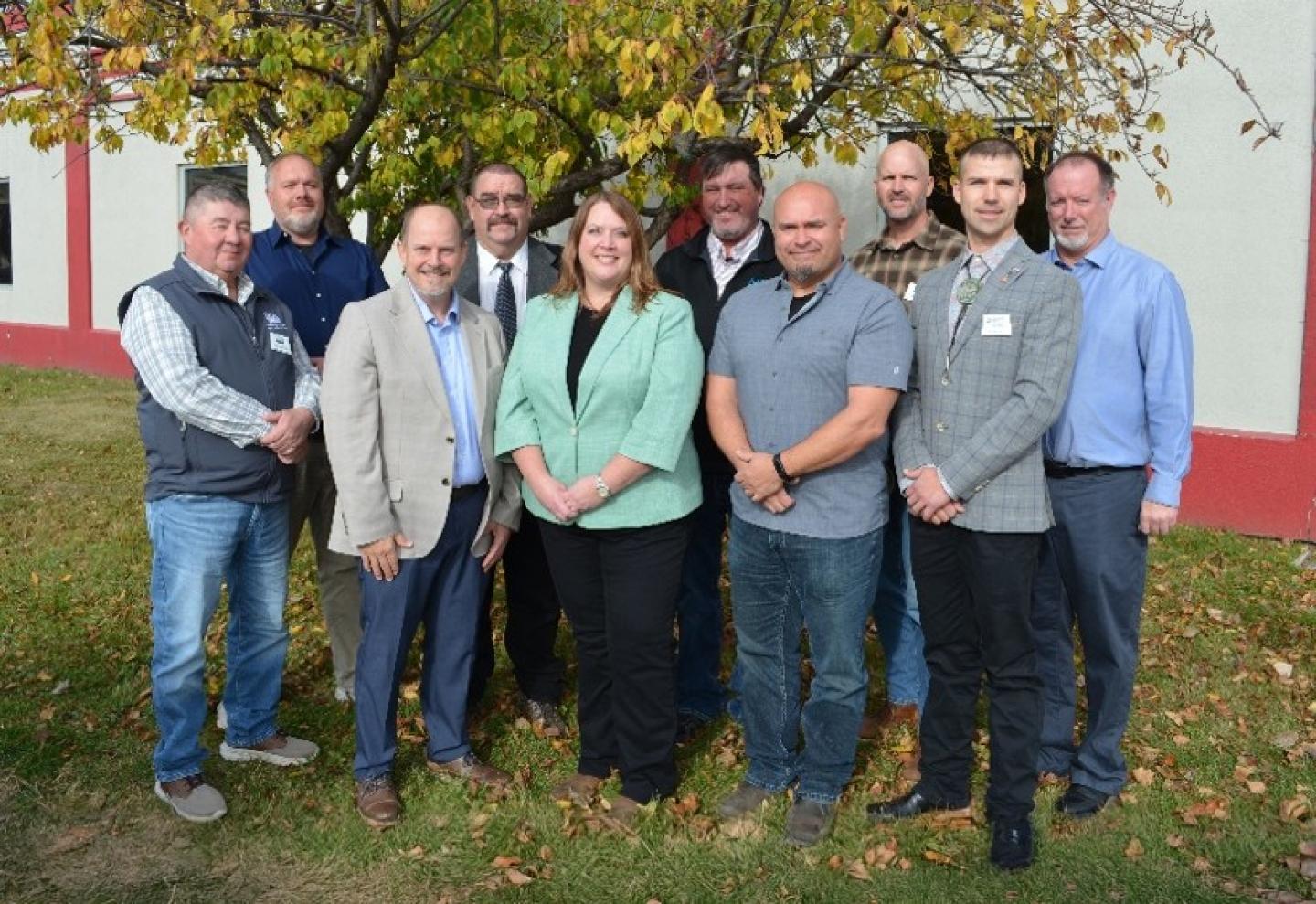
In this story
As the sun dipped low in the sky, casting golden rays across the grounds of United Tribes Technical College, a gathering of passionate individuals came together, united by a common purpose: the stewardship of the land. On October 29, tribal representatives, conservation partners, and federal agency leaders convened at the Lewis Goodhouse Wellness Center for the North Dakota Tribal Advisory Council meeting, a significant event aimed at fostering collaboration and advancing conservation efforts across the state.
What Happened
The council meeting served as a vital forum for Tribal Nations to communicate their natural resource priorities and conservation needs directly to the USDA Natural Resources Conservation Service (NRCS). Dan Hovland, NRCS state conservationist in North Dakota, opened the meeting with a warm welcome, emphasizing the importance of the council's work. “The Tribal Advisory Council provides an important opportunity to listen, learn and work together on conservation priorities that matter to Tribal Nations,” he stated, highlighting the council's role in shaping responsive conservation assistance tailored to the unique needs of Tribal communities.
Throughout the event, NRCS Tribal liaisons, who act as essential conduits between the NRCS and Tribal Nations, shared updates on their ongoing conservation priorities, program delivery, and partnership efforts. These liaisons included Jonathan Hercik, Adam Flaagan, Jeff Desjarlais, and Bruz Van Dusen, who represent various reservations such as Fort Berthold, Spirit Lake Nation, Turtle Mountain Band of Chippewa Indians, and Standing Rock Sioux. Their insights are pivotal in ensuring that conservation strategies align with the cultural and environmental values of the tribes.
In addition to the NRCS updates, representatives from several key organizations, including the USDA Farm Service Agency, USDA Rural Development, and the Intertribal Agriculture Council, provided crucial information on funding opportunities, technical assistance, and partnership initiatives designed to support agricultural producers within Tribal communities. This collaborative spirit is essential in addressing the unique challenges faced by these communities, where land management practices intertwine with cultural heritage and sustainability.
Community Impact
The discussions during the council meeting were not merely procedural; they reflected the deep-rooted connection between Tribal Nations and their land. Agenda items ranged from NRCS program delivery to the exploration of Alternative Funding Agreements and the establishment of Tribal Conservation Districts. Jeanne Jasper, acting NRCS national Tribal liaison, provided updates on these agreements, while Lisa Yellow Luger from the USDA Office of Tribal Relations and Tina Jennen of the Central Region Tribal Conservation Committee contributed valuable insights on program developments.
One of the highlights of the meeting was the presentations focused on Plant Materials Center (PMC) projects, particularly those involving sweetgrass. Lucas Schmiesing, PMC manager, discussed the significance of sweetgrass in both ecological and cultural contexts, emphasizing the importance of preserving this vital resource. Richard Webb, acting Assistant State Conservationist for Management and Strategy, also addressed programmatic agreements related to cultural resources, reinforcing the commitment to integrating cultural heritage into conservation practices.
As the meeting progressed, participants engaged in meaningful conversations that echoed discussions from the council’s previous meeting on June 9. Topics such as technical assistance, conservation planning, education, outreach, inter-agency coordination, and program funding were revisited, showcasing the ongoing commitment to improving access to conservation resources. Tribal representatives voiced concerns about fencing on forested land, inter-agency contract complexities, and the disparities among agency application timelines, underscoring the need for continued dialogue and collaboration.
Strengthening Relationships
Jimmy Emmons, NRCS Assistant Chief, underscored the significance of the relationships being cultivated through these meetings, stating, “I’m just glad to be a small part of the big wheel here and helping things move along for the tribes.” His words resonate deeply within the context of the council's mission, reflecting a shared commitment to not only enhancing conservation efforts but also fostering a sense of community among diverse stakeholders.
The gathering at United Tribes Technical College was more than a meeting; it was a testament to the resilience and dedication of Tribal Nations in North Dakota. The collaborative efforts of tribal representatives, conservation partners, and federal agencies signify a collective movement towards sustainable land management practices that honor both the land and the traditions of Indigenous peoples.
What's Next
Looking ahead, the North Dakota Tribal Advisory Council is poised to continue its vital work in advancing conservation initiatives. The insights gathered from these meetings will inform future strategies aimed at enhancing program delivery and ensuring that conservation assistance remains responsive to the evolving needs of Tribal communities. The commitment to strengthening these partnerships is crucial, as it lays the groundwork for a more sustainable future.
As the council prepares for its next meeting, the emphasis will remain on fostering collaboration and addressing the shared natural resource priorities across Tribal lands. The ongoing dialogue between Tribal Nations and federal agencies is essential in creating a framework that not only acknowledges the unique cultural heritage of Indigenous peoples but also promotes effective stewardship of the environment.
In a world where environmental challenges continue to mount, the work being done by the North Dakota Tribal Advisory Council stands as a beacon of hope. It embodies the spirit of cooperation, respect, and commitment to the land that is fundamental to the American dream of thriving communities built on strong families and authentic faith.
Local Voices and Perspectives
To understand the true significance of the council's work, it is essential to hear from those directly impacted by these initiatives. Tribal leaders like Chairman Myron Brave of the Standing Rock Sioux Tribe emphasized the importance of these meetings in addressing local concerns. “Our communities face unique challenges that require tailored solutions,” he said. “The partnership with NRCS allows us to advocate for our needs effectively.” Brave's perspective highlights the necessity of localized approaches to conservation efforts, which respect the traditions and rights of Tribal Nations.
Additionally, community members who attended the meeting voiced their hopes and concerns. For instance, Sarah Little Bear, a member of the Turtle Mountain Band of Chippewa Indians, shared her thoughts on the importance of preserving traditional farming practices. “Our ancestors understood the land, and we must honor that knowledge,” she stated. Her sentiments resonate with many who believe that integrating traditional ecological knowledge with modern conservation methods can lead to more sustainable practices.
The Path Forward
As the council continues to meet and collaborate, the focus will also shift towards education and outreach in Tribal communities. Plans are underway to develop workshops and training sessions that will empower community members with the skills and knowledge necessary to engage in conservation efforts actively. These initiatives aim to foster a new generation of conservationists who respect both the land and their cultural heritage.
Moreover, the council is committed to expanding its outreach to include younger voices. Engaging youth in these discussions is vital to ensuring the sustainability of conservation efforts for future generations. By involving young leaders in planning and decision-making, the council aims to create a lasting impact that resonates through the years.
In conclusion, the North Dakota Tribal Advisory Council exemplifies the power of collaboration and community engagement in addressing environmental challenges. As they move forward, their work will not only benefit Tribal Nations but also serve as a model for similar initiatives across the country, demonstrating the importance of honoring Indigenous knowledge and fostering sustainable practices.